Pain rests at the crossroads of physiology, psychology, and context. It can be a broken wrist in a schoolyard, a neuropathic shed that lingers long after shingles, the aching back that maintains a nurse off the roster, or a post‑operative individual grimacing behind a calm face. A solid pain management qualification program transforms that intricacy into practical proficiency. It builds the habits that clinicians carry to the bedside, to the rescue bay, and to the neighborhood. It is not a badge, however a scaffolding for judgment, security, and empathy.
This overview unpacks the expertises every reputable certification training course in pain administration should instruct, exactly how those skills translate to everyday method, and just how to choose a course that fits your scope and setup. It likewise resolves particular streams such as discomfort management training courses for nurses and discomfort administration training courses for physiotherapists, along with brief programs suffering monitoring that target emergency situation care.
What a discomfort management qualification need to cover
The finest programs anchor themselves to evidence while equaling method. Theory matters, however just insofar as it transforms what you do at the person's side. Whether you select a discomfort administration certificate program made for intense treatment, community wellness, or rehabilitation, look for the complying with themes woven via the curriculum.
Assessment as a scientific ability. Accurate pain evaluation is greater than requesting a number. It is picking the right device for the individual in front of you, observing actions, and readjusting for cognitive problems, developing phase, society, and language. Adults that lessen distress need a various strategy from a distressed teen or a nonverbal older grown-up with delirium. A robust discomfort administration training block offers you a toolkit: numeric ranges, verbal descriptors, aesthetic analog scales, Wong‑Baker for pediatric medicines, PAINAD for dementia, and function‑oriented concerns like, "What can you do now that you could not do yesterday?" Experienced clinicians triangulate throughout these.
Pharmacology with guardrails. Medicine is not a monolith. Non‑opioids, opioids, adjuvants, topical representatives, and regional methods all have a place when made use of deliberately. Excellent discomfort management training courses teach dose titration, ceiling impacts, opioid similarities, cross‑tolerance, body organ disability modifications, and communications. They also instruct restraint: when to quit, when to test nonpharmacologic treatments initially, and exactly how to deprescribe without causing withdrawal or rebound pain.
Nonpharmacologic therapies that actually get made use of. Way too many training courses pay lip service to heat, ice, positioning, exercise therapy, or cognitive techniques. The useful programs show just how to make them embed real centers: setting individual expectations, producing micro‑goals, scripting practical mentoring, and recording end results. For physiotherapists, pain administration courses for physiotherapists need to move beyond tissue‑centric versions to contemporary pain science, rated exposure, pacing, and interaction that defuses threat.
Communication that builds partnership. The words we select can worsen or lighten discomfort. Preventing catastrophic language, verifying the patient's experience, and establishing straightforward objectives modifications adherence and anxiety. This is particularly vital in emergency discomfort monitoring, where minutes issue and depend on establishes whether a patient will accept a nerve block, inhaled analgesia, or a single‑dose opioid.
Safety, threat reduction, and stewardship. No certification course suffering monitoring is total without useful danger evaluation for abuse, overdose avoidance, naloxone education, and secure storage. This is not just for opioid treatment. Gabapentinoids, NSAIDs, and tricyclics carry dangers too, especially in polypharmacy. Programs should cover monitoring plans, prescription medication tracking data sources where applicable, and recommendation thresholds.
Special populaces. Kids, expecting people, older adults, individuals with renal or hepatic problems, those with OSA, and clients with substance use problems all need tailored analgesic plans. Discomfort administration programs for nurses and interprofessional groups need to install these scenarios in simulation and instance evaluation, not just in slides.
Documentation that secures and notifies. Clear, synchronic notes lower error and support continuity. High‑quality pain administration training for nurses and allied clinicians should develop habits like tape-recording discomfort intensity and functional influence, treatments offered, time to result, damaging results, and follow‑up steps.
Across these themes, the programs that stand apart set didactic web content with case‑based understanding, micro‑simulations, and reflective debriefs. They provide you sample phrases for challenging discussions and themes you can adjust to your setting.
Matching accreditation to your duty and environment
A single program can not serve everybody equally. A country paramedic requires various devices from an outpatient physio or an oncology nurse. When examining a discomfort management accreditation training course, first map your day‑to‑day demands.
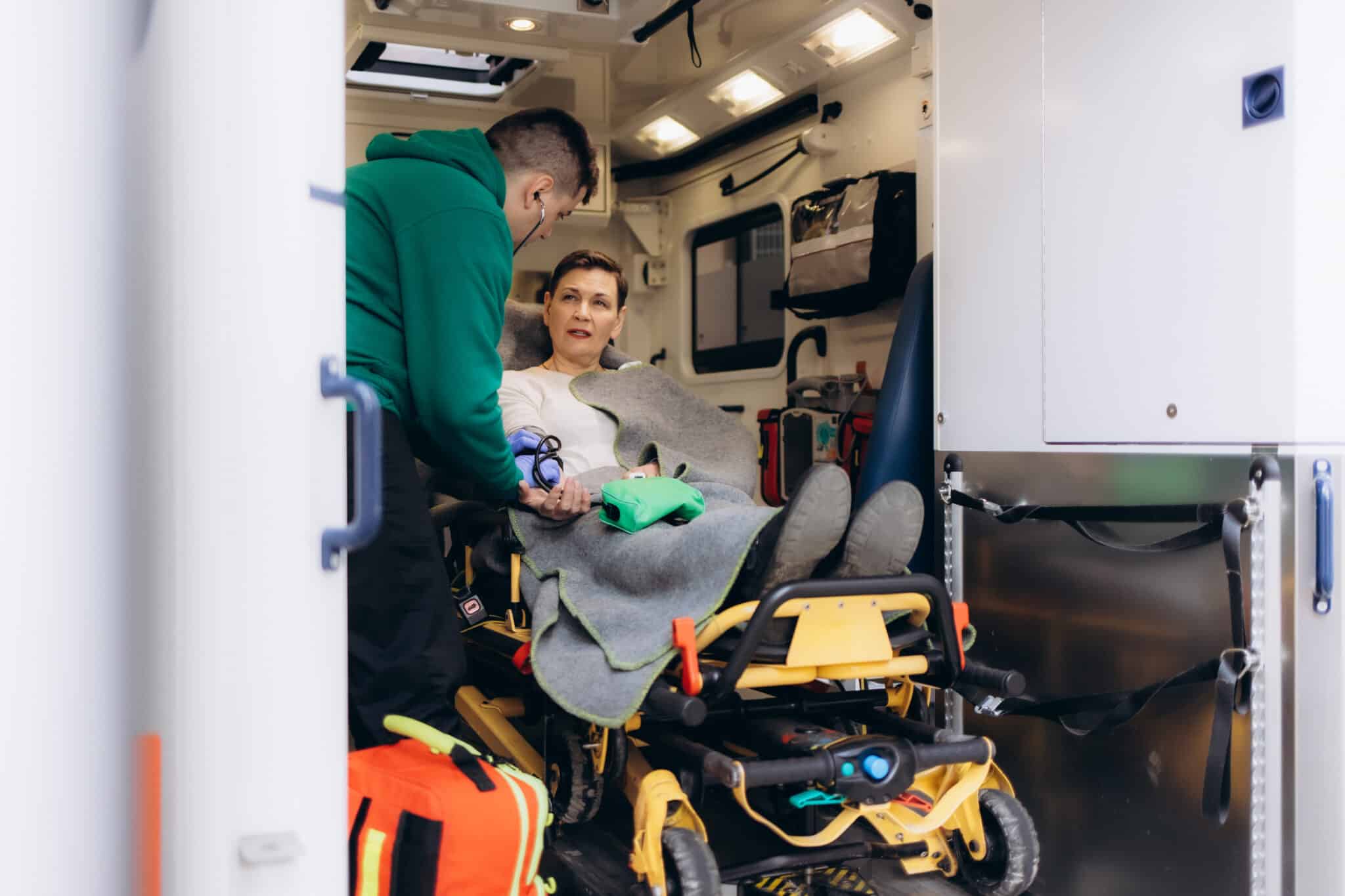
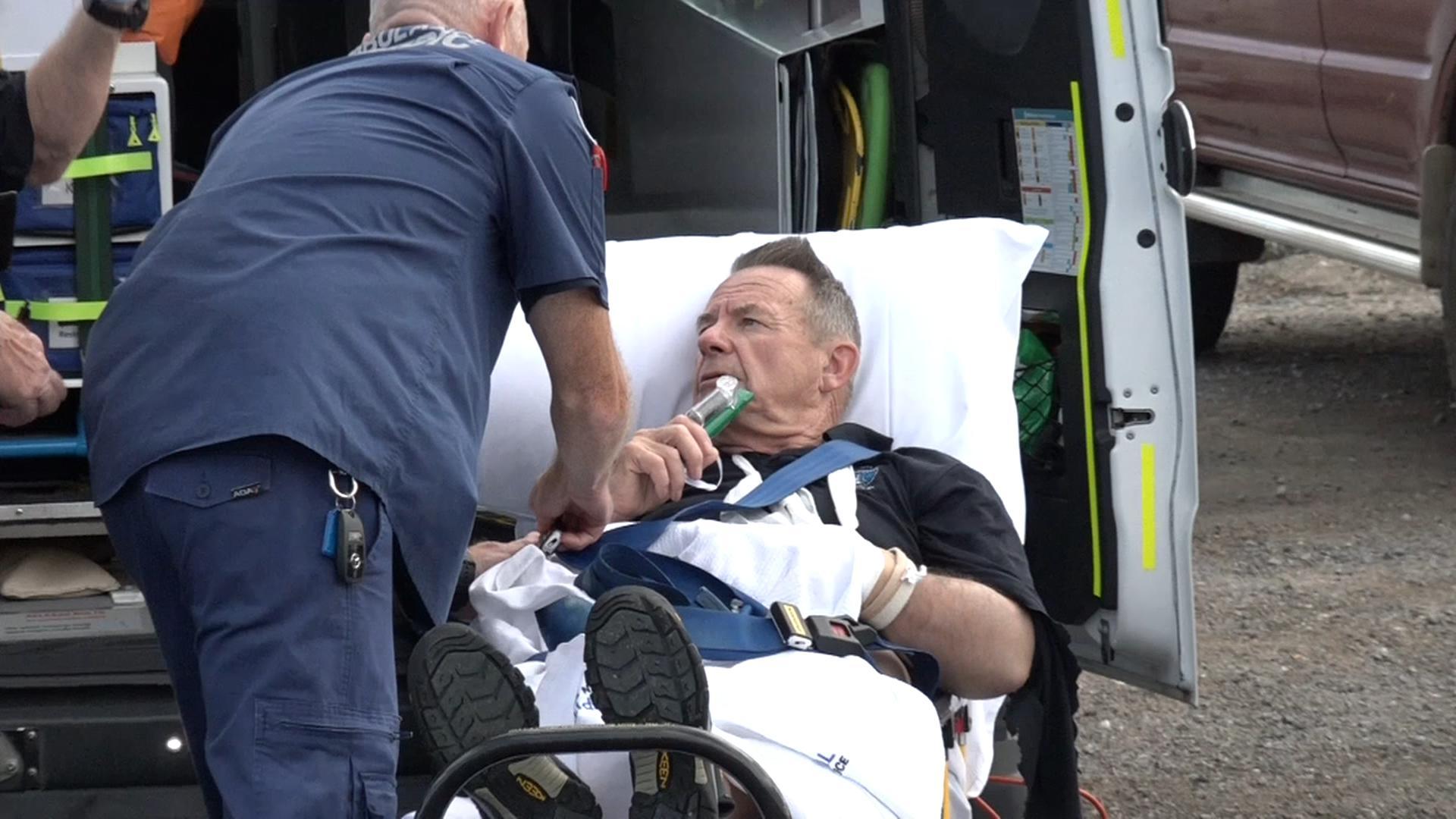
Ambulance and very first action. Paramedics and initially responders commonly gain from brief training courses hurting management concentrated on quick analysis and field treatments. In some regions, the PUAEme008 Offer Pain Monitoring unit (typically written as PUAEME008 Supply Pain Monitoring in competency frameworks) defines the requirement for prehospital analgesia. It commonly covers nitrous oxide/oxygen combinations, methoxyflurane where permitted, basic opioid management under methods, and nonpharmacologic techniques like splinting and positioning. The most effective implementations stress scene safety, approval, and review every couple of minutes. If your solution is updating protocols, a targeted emergency situation pain administration training course can re‑align technique swiftly.
Acute treatment nursing. Pain administration training for nurses in medical facilities must prioritize post‑operative pathways, multimodal analgesia, PCA safety and security, nerve block aftercare, and acknowledgment of warnings concealed by analgesics. Night shift truths belong in the curriculum: just how to titrate safely when staffing is lean, how to escalate when a block disappears at 3 a.m., and just how to document sedation ratings along with discomfort scores.
Primary care and neighborhood health and wellness. For generalists, a pain management certificate oriented to persistent non‑cancer discomfort is usually most beneficial. It needs to address rated task, quick behavior treatments, sleep hygiene, neuropathic pain routines, and just how to have structured opioid evaluations without fracturing rapport. Referral mapping issues right here: knowing that in your location takes complex cases and what info they need.
Rehabilitation and physical rehabilitation. Discomfort monitoring training courses for physio therapists must integrate contemporary discomfort neuroscience with hands‑on practice. Grads should be able to explain sensitization without jargon, established exposure power structures for fear‑avoidance, and partner with prescribers to taper medications while enhancing function. Programs that consist of role‑play around language choice help medical professionals prevent nocebo impacts from casual remarks.
Palliative and oncology setups. Clinicians need depth in opioid turning, case discomfort planning, adjuvants like ketamine or methadone under expert assistance, and the principles of stabilizing performance with comfort. Documentation and household interaction are as crucial as titration.
Your scope and regulations determine what you can do. A trustworthy discomfort monitoring qualification training course will certainly note clearly where local laws form technique, for example that may carry out methoxyflurane, initiate a PCA, or prescribe adjuvants.
Building core competencies in assessment
Assessment is a living process. Discomfort changes hour to hour with movement, mood, and therapy. Solid training programs instruct medical professionals to utilize both ranges and stories.
A quick example from the ward: a person with a total knee replacement reporting 7 out of 10 at rest. Traditional reflexes could sign a lot more opioids. An even more nuanced evaluation notes that the patient can perform straight‑leg elevates and rest beside the bed for just one minute before stopping because of pain and concern. After coaching, ice, a small opioid top‑up, and a change in positioning, the number at remainder remains 6, yet the client now endures five minutes of mild task and accepts physio. Function enhanced while the number hardly moved. Without a function‑oriented structure, you may miss out on that progress.
In prehospital care, the analysis home window is pressed. Paramedics have to infer severity from mechanism, vitals, activity, and short dialogue. The PUAEME008 Offer Pain Monitoring proficiency, where adopted, trains responders to inspect contraindications swiftly, make use of structured tools like AVPU and sedation ranges, reassess short courses in pain management every five minutes, and document both the intensity and the action to treatments. That rhythm stops under‑treatment and over‑treatment.
For children, the ability depends on mixing monitoring with developmentally suitable scales. A six‑year‑old post‑fracture might rate pain as "huge" or "small" on a faces range. The medical professional additionally sees limb safeguarding, play behavior, and consolability. Pediatric dosages are weight based and timing delicate. An excellent pain administration program offers you psychological mathematics shortcuts, pre‑calculated graphes, and practice with carers who are anxious however crucial allies.
Cognitive problems makes complex self‑report. In senior treatment, tools like PAINAD combined with family members input and cautious trialing of analgesia can expose distress masked as "anxiety." Courses that consist of video clip vignettes tend to prepare medical professionals better for these subtleties.
Multimodal analgesia as default, not exception
Single agent methods are very easy to show and document but rarely ideal. A multimodal plan strikes various pain paths with reduced doses, reducing damaging effects. In medical wards, that might be regular paracetamol, an NSAID if renal function enables, a low‑dose opioid for advancement, regional anesthetic where readily available, and very early mobilization under physical rehabilitation. In neuropathic discomfort, it could be a gabapentinoid or SNRIs, topical lidocaine, and paced activity. In emergency discomfort monitoring, it might be splinting, nitrous or methoxyflurane for rapid relief, and a small IV opioid dose in a titrated fashion.
The technique is to prevent polypharmacy without objective. Programs worth their cost teach you to establish a quit day for every prn, plan reviews, and look for duplication across discharge recaps and area prescriptions. They additionally highlight bowel regimens alongside opioids and renal tracking when NSAIDs are utilized beyond a few days.
Regional methods deserve more attention generally training. Even if you do not carry out blocks, recognizing their indicators, benefits, and warnings assists you supporter for clients and monitor them securely. For nurses, a discomfort monitoring training course that includes catheter care for continuous nerve blocks, fall risk payments, and documentation of motor and sensory modifications is gold.
Communication that lowers pain
Words alter physiology. An easy "your discomfort is genuine and we are mosting likely to treat it together" decreases anxiety and muscle mass tension. Clarifying what to anticipate from a medication-- "this will likely take 15 mins to start assisting, and your pain needs to be half what it is now"-- lowers the understanding of delay and offers a timeline for alleviation. In consistent pain, reframing from "we will certainly eliminate discomfort" to "we will certainly raise what you can do, even if some discomfort sticks around" stops disappointment and unlocks to rehabilitation.
I keep a short script for challenging discussions regarding opioids. It recognizes the client's suffering, attaches safety to work, and offers concrete options. Role‑play in a discomfort monitoring qualification course aids clinicians locate language that fits their style while avoiding adversarial dynamics. In our service, a short workout altered how associates reacted to the concern, "Are you calling me a drug applicant?" The new solution-- "I am calling you an individual hurting, and my work is to make a secure strategy that helps you currently and shields you later"-- soothed a number of strained encounters on the spot.

For physio therapists, discomfort education requires treatment. Prevent claiming "your back is unpredictable" or "your knee is damaged" unless imaging and function demand it. Phrases like "delicate, not broken" paired with graded exposure can change habits. Good pain management courses for physio therapists include patient‑tested allegories and methods to tailor explanations to character and culture.
Risk management without stigma
Risk screening becomes part of compassionate care. Tools and checklists aid, yet the tone issues. Asking, "Has anybody in your household ever needed help with medication safety?" defeats a cold "Any type of background important misuse?" It opens up a discussion concerning storage, children in the home, and risk-free disposal. In settings where naloxone is readily available, stabilizing it as a seatbelt as opposed to a label minimizes resistance.
Courses ought to educate functional systems that secure every person: check for high‑risk dosing changes, independent sedation scoring before repeat opioid dosages, mixture pump safeguards, and rise triggers. For ambulatory technique, agreements that focus on objectives and security as opposed to penalty have a tendency to work better.
Be alert to non‑opioid threats. NSAIDs can precipitate kidney injury in dried clients, worsen heart failure, and create GI bleeding. Gabapentinoids rise sedation and falls when incorporated with opioids, especially in older adults. Tricyclics aid neuropathic pain but aggravate orthostasis and anticholinergic worry. A well‑designed discomfort management accreditation training course drills these cautions into reflex.
Documentation as a medical tool
Documentation is not a chore when you treat it as part of the treatment. A solid note connects trajectory and issues to the next clinician. In method, that appears like this: "Discomfort 8/10 at remainder, securing right lower limb. Methoxyflurane self‑administered for 4 minutes, splinted tibia, instructed in slow breathing. Discomfort 4/10 on motion after 7 minutes. No queasiness. Vitals stable. Strategy: titrate fentanyl 25 mcg IV if discomfort remains above 5 during extrication. Reflect on every 5 mins." That level of quality prevents over‑dosing, flags the following action, and functions as a training artefact later.
In wards and clinics, pair strength with feature: "Can walk 20 meters with frame prior to stopping due to discomfort at the incision. No sedation. Digestive tract opened today. Will include normal paracetamol 1 g q6h, continue ibuprofen 200 mg q8h with food for 48 h, oxycodone 5 mg prn for advancement as much as 20 mg per day. Goal for tomorrow: 40 meters."
Pain monitoring training for registered nurses should include graph audits and comments. It is humbling the first time, after that promptly becomes satisfying as you see patterns and close loops.
Choosing the ideal program: what to look for
Clinicians experience a jampacked market of discomfort monitoring training courses. A fast checklist can conserve time and money.
- Clear alignment with your extent, consisting of legal medicines or methods you can make use of, and practical situation scenarios from your setting. Faculty who still exercise scientifically and can answer "what do you do when" questions with specifics, not theory. Assessment that tests judgment under restraints, not just recall. OSCEs, simulations, or situation write‑ups are better than numerous selection alone. Practical resources you can repossess to work: application charts, patient handouts, manuscripts, and documentation templates. A prepare for upkeep of competence, whether regular refresher courses, updates on guideline changes, or possibilities for case discussion.
Programs that prepare paramedics for PUAEME008 Supply Pain Management or similar expertises must consist of tool labs, simulated loud settings, and repetition under time pressure. Hospital‑oriented training courses should consist of PCA pump troubleshooting, post‑block tracking, and after‑hours rise paths. For pain management programs for physio therapists, ask whether the teaching consists of graded exposure preparation, flare‑up administration, and communication mentoring, not just makeup refreshers.
The anatomy of an efficient brief course
Short courses hurting monitoring can provide outsized gains if they are securely concentrated. A two‑to‑eight‑hour emergency situation discomfort administration component can transform practice in a solitary shift.
Consider a half‑day program for mixed ED personnel. In the initial hour, pain management training for nurses upgrade on rapid analgesia pathways: triage‑initiated paracetamol and ibuprofen for fracture individuals without contraindications, IN fentanyl procedures, and the function of ketamine for serious pain with hypotension threats. The second hour, run simulation: a yelling kid with a forearm fracture, a calm older grown-up with a hip fracture and borderline oxygen saturation, a client in sickle cell dilemma ranked as hard by the last team. Include methoxyflurane mouthpiece assembly and troubleshooting. The third hour, debrief paperwork and predisposition. That obtained analgesia fastest, and why? Where did language or presumptions delay care? Do with a quick proficiency check and a one‑page protocol card. That structure sticks.
On the various other end, a pain administration certificate designed for community care may run over several weeks with online modules and live workshops. The most effective ones designate 2 patient cases that individuals track over a month. You see the messiness of excellent days and flare‑ups, medication changes, and rehab pacing. The understanding comes to be regional, not abstract.
Implementing new abilities on the floor
One course does not remove old behaviors. Transforming qualification right into method takes intent and team buy‑in. I have seen solutions pair training with small system tweaks that make modification likely. Equipping nitrous or methoxyflurane in grab bags so crews do not need to unlock additional cupboards enhances usage when appropriate. Rewording admission order sets to consist of multimodal analgesia with quit dates and bowel routines moves prescribing patterns. Including a pain review area to digital records forces a moment of representation and documentation.
For physiotherapists, simple tools assist. A one‑page flare‑up plan that individuals can submit-- what to do, just how to scale back, when to call-- minimizes stress and anxiety and unintended gos to. A language guide taped to the workdesk converts professional jargon into individual expressions that lower threat. In time, you see fewer no‑shows and much better adherence.
Nurses commonly end up being the very early warning system. A standard phrase like "Sedation rating 2 prior to prn demand" in handover causes a conversation with the prescriber. A shared view of what "innovation pain plan" implies protects against the back‑and‑forth at 2 a.m. where everybody is guessing. Discomfort monitoring training for nurses need to instruct not only the web content, however also how to lead these micro‑improvements on the unit.
Evaluation and maintenance
Certification ought to note the beginning of an understanding cycle, not its end. Discomfort science advances, medicines come and go, and client expectations shift. Build an easy testimonial rhythm. Every quarter, select one motif-- as an example, neuropathic discomfort routines-- and audit 5 situations. Did the plan match guidelines? Were adverse impacts tracked? Did function improve? Share findings in a brief huddle. The factor is not compliance theater. It is to catch drift and enhance great habits.
Refresher discomfort management training courses do not require to be long. A 60‑minute update on brand-new advice, a debrief on a tough situation, and a quick skills check for any kind of tool maintains skills fresh. Providers aligned to PUAEME008 offer pain management typically need routine recertification. If you deal with the process as a possibility to refine procedures and debrief actual occurrences as opposed to a box‑tick, your crews will certainly engage.
Ethics and equity
Pain is not dispersed fairly. Bias leaks in. Research studies constantly show that individuals from marginalized groups receive much less analgesia for similar conditions. Accreditation programs need to face this explicitly. Show teams to utilize structured tools to reduce subjective drift, and to check out where presumptions alter choices. In technique, this may mean applying triage‑initiated analgesia procedures that do not wait on a medical professional's analysis, or developing standing orders that encourage nurses to start non‑opioid therapy and nonpharmacologic actions quickly.
Language accessibility is critical. Discomfort evaluation loses accuracy through bad translation. Providers that purchase interpreter gain access to, basic person handouts alike languages, and staff training in plain speech see far better end results. In physical rehabilitation, culturally adjusted pain education and learning products raise involvement and trust.
Ethics likewise suggests borders. Find out to state no to harmful requests in a way that keeps the relationship intact. A pain monitoring certification program that consists of role‑play with standardized patients and comments will certainly aid you find words that appreciate autonomy while protecting patients and the public.
A note on guideline and credentials
Before joining, verify that the discomfort management certification aligns with your jurisdiction's rules. Some certificates lug CPD or CME credits, others please certain proficiency units like PUAEME008 Give Pain Administration for emergency services. For prescribers, examine whether conclusion fulfills regional board expectations for opioid suggesting training. For nurses and physiotherapists, verify that the course is acknowledged for professional advancement hours and relevant to your scope.
Marketing can be noisy. Look past buzzwords and discover the positioning with your day-to-day job. Request a curriculum. If a service provider can not tell you how their pain management certificate prepares you for the scenarios you face most, keep looking.
What adjustments on Monday morning
The ideal responses I listen to after a solid pain management training course is basic: "I treated discomfort much faster," or "My person walked farther," or "That discussion went much better." Qualification becomes real when patients feel relief earlier, when adverse occasions decrease, and when your notes narrate that any type of colleague can follow.
A paramedic staff chooses splinting and methoxyflurane throughout a challenging extrication, reassesses, then adds a little opioid dosage. The individual gets here calmer, with stable vitals and no nausea or vomiting. A surgical nurse pairs routine non‑opioids with an early bowel program, instructors mobilization, and limits prn opioids to function‑limiting pain. A physio therapist discusses pain sensitization in plain language and develops a graded strategy that the client counts on, with a flare‑up strategy taped to the refrigerator. These are the outcomes that matter.
Pain administration certification is not about perfection. It is about developing the practices that make great decisions likely under pressure. Choose a course that develops your judgment, practice the abilities up until they are tranquil reflexes, and maintain refining. Clients really feel the difference.